Nicotine Pouches: Lower Risk Does Not Mean Risk-Free
By Cody Salvatore
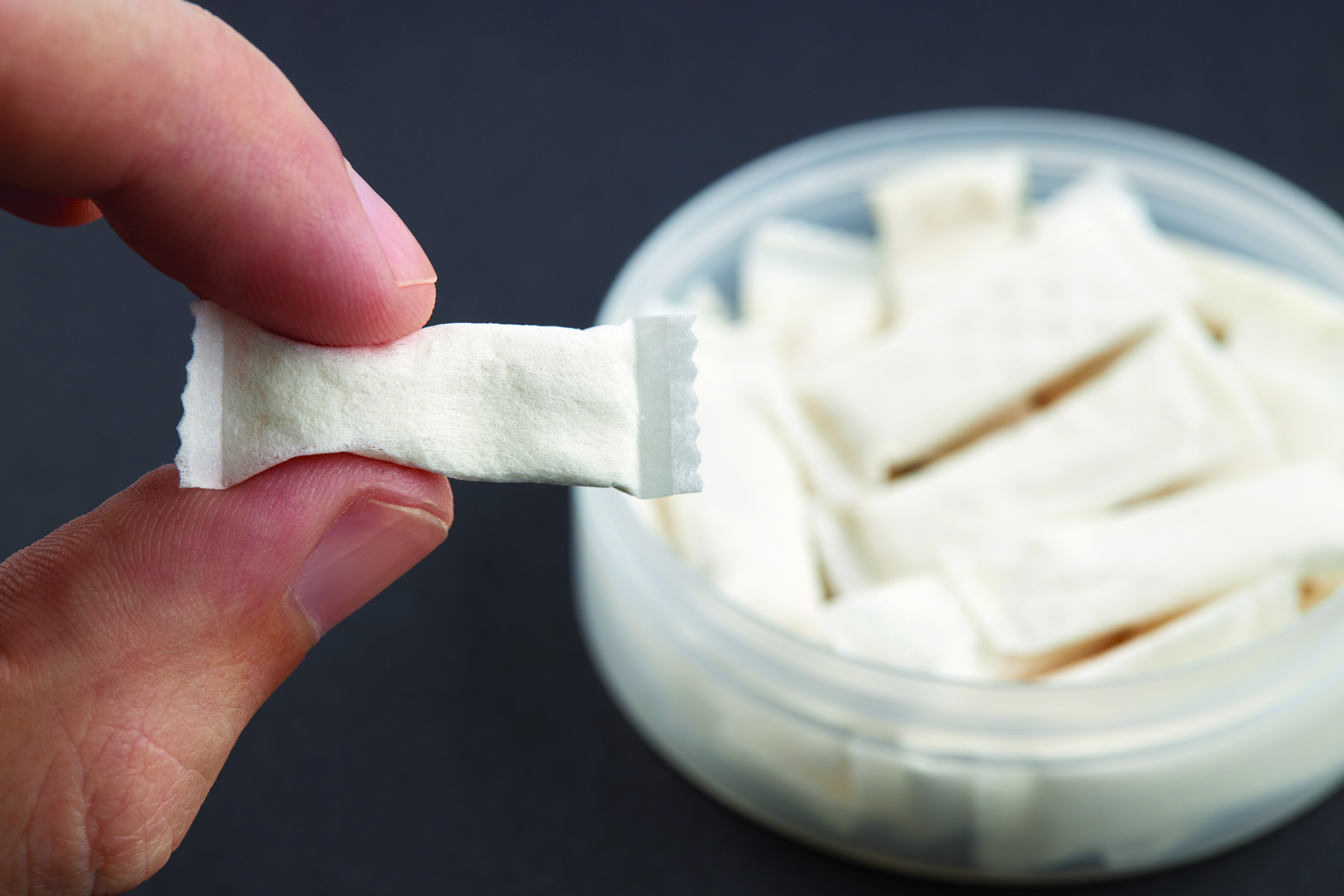
Nicotine pouches are becoming an increasingly visible part of the tobacco and nicotine landscape, and recent developments from the U.S. Food and Drug Administration (FDA) makes it more important than ever for families, educators, and prevention professionals to understand what these products mean for public health.
In June 2026, the FDA authorized 20 ZYN nicotine pouch products to be marketed with a specific modified-risk claim stating that using ZYN instead of cigarettes puts users at a lower risk of several serious diseases, including certain cancers, heart disease, stroke, emphysema, and chronic bronchitis. This decision does not mean that ZYN is safe, FDA-approved as a health product, or recommended for people who do not already use tobacco.
The FDA continues to emphasize that there is no safe tobacco product and that nicotine is highly addictive. This distinction can be confusing for the public, especially young people. Hearing that a nicotine product is “lower risk” can easily be interpreted as “safe” or “healthy.” For prevention professionals, clear messaging is critical: lower risk than cigarettes does not mean no risk. Nicotine is highly addictive and youth are particularly vulnerable. The nicotine pouch market continues to expand. In August 2026, the FDA authorized four additional flavors for on! Nicotine Pouches: Rich Berry 2 mg, Cappuccino 2 mg, Cappuccino 4 mg, and Autumn Spice 2 mg. ZYN has also expanded its flavor lineup to include Peach, Black Cherry, and Dragonberry. The continual introduction of flavored products highlights the importance of prevention efforts focused on youth and the appeal of these products.
New York State is taking action. Beginning in September, New York’s tobacco products tax will be extended to “alternative nicotine products,” products that contain nicotine but not tobacco. The tax imposed will be 75 percent of the wholesale price, with distributors generally responsible for paying the tax.
For parents, educators, and community members, the takeaway is simple: FDA authorization does not equal safety. As nicotine products evolve, so must prevention messaging. Talking openly with young people about addiction, correcting misconceptions about “safer” nicotine products, and understanding how new products are marketed and targeted can help communities prevent nicotine use before it begins.
View the NCADD-RA’s Fall 2026 newsletter for more articles on addiction prevention and support.